
Implementation Team Biographies
About T3 - Navigation
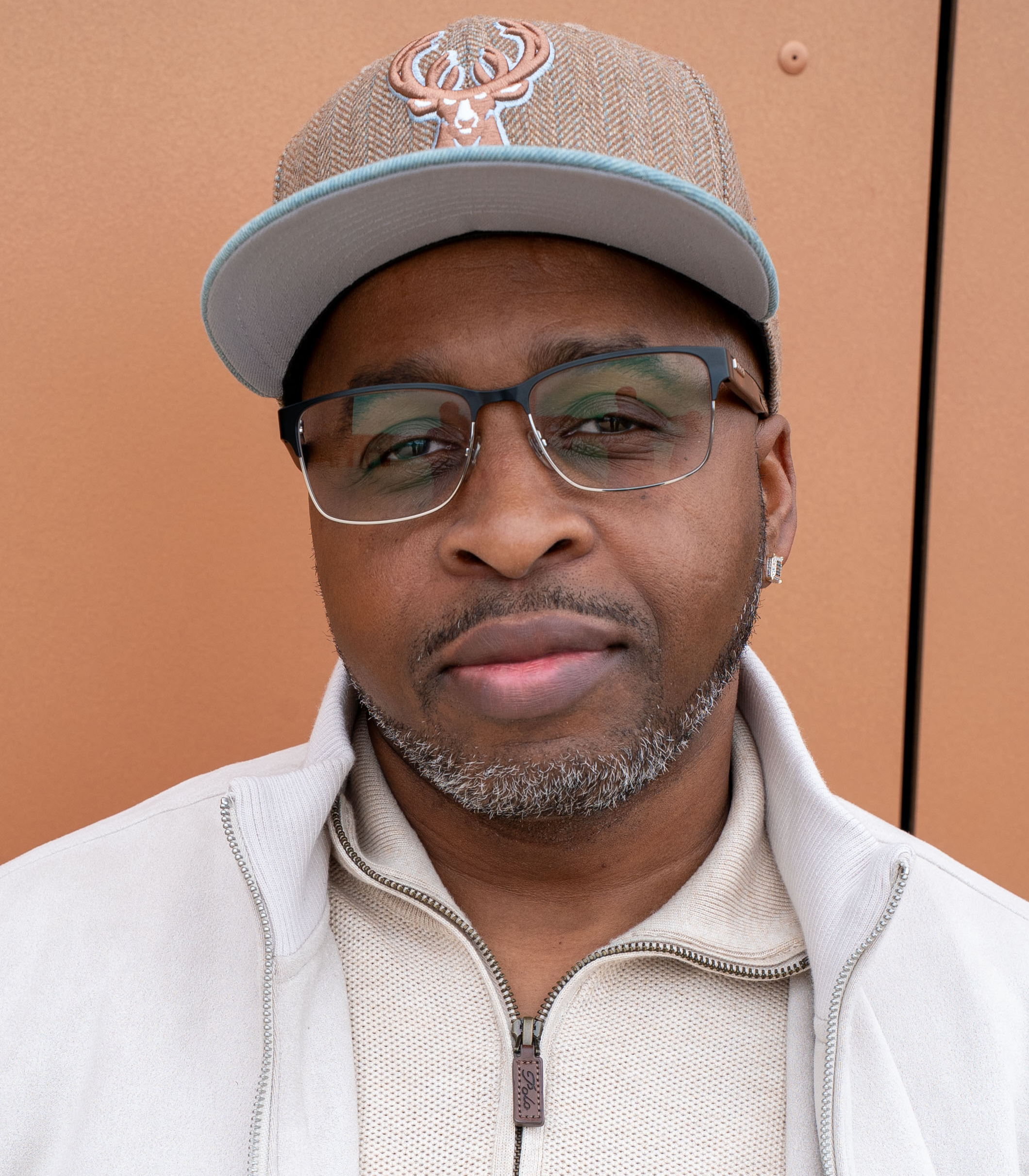
Rudy Bankston
Research Advisory Board Co-Chair, i Am We Village & T3
Roderick “Rudy” Bankston is a committed educator, entrepreneur, Restorative Justice practitioner, and author. Rudy is a survivor of the school-to-prison pipeline He was wrongly convicted and sentenced to life at 19 years old, Rudy spent 20 years in prison before winning back his freedom on appeal. After his release from prison in 2015, Rudy began working for the Madison Metropolitan School District (MMSD); first serving as a Community Liaison at Memorial High School. He added a second position guiding students’ learning and growth within ‘Restore’, the district’s expulsion abeyance program. The following school year, he transitioned into a Central Office position as a Restorative Justice Coach to support the engagement of Restorative Justice across all levels of the organization. Since leaving MMSD, Rudy continues his work engaging Restorative Justice as a founding member of Small Fire, LLC. , founder of i Am We Classics and i Am We Coaching & Mentoring, LLC. Most recently, Rudy founded, i am We Global Village to deepen the work of creating spaces of healing for individuals and communities as they adopt, center, and practice restorative values. Rudy has served as an adjunct professor at Edgewood College and currently is a consultant with the National Equity Project, serves on the board for the National Association of Community and Restorative Justice (NACRI), and is a member of the Black Educators’ Network. Rudy’s published works include a novel, Shed So Many Tears; two collections of Haiku, Snippets of Soul in Seventeen Syllables and Snippets of Soul, Too; and a book of poetry, Buried Alive.
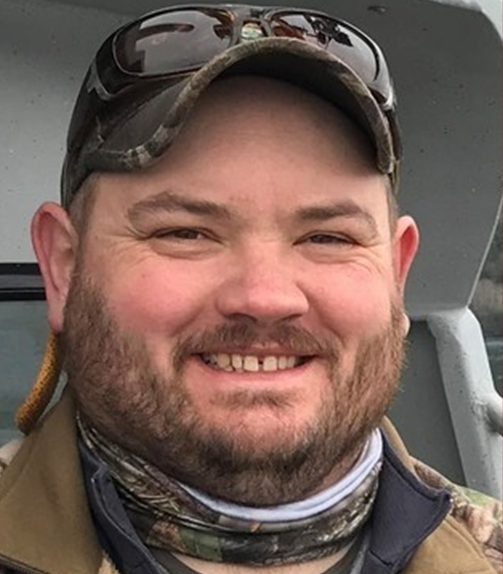
Wayne Degel
Therapist/Owner, Perspectives Counseling & Consulting ; Director, AIVRTTAC
Mr. Dagel, first-generation descendant of the Romsa family of the Blackfeet Tribe, has over 20 years of experience in the vocational rehabilitation world. Mr. Dagel began his career as a client of vocational rehabilitation in 1996 after being involved in a motor vehicle accident that resulted in a spinal cord injury. He has served as an AIVRS project director for the Northern Cheyenne Chief Dull Knife College VR program in Montana. He also worked as a VR counselor for the State of Montana for eight years, in addition to serving as a technical assistant consultant and trainer to the TVR CIRCLE (Continuous Improvement of Rehabilitation Counselors, Leaders, and Educators). Mr. Dagel’s extensive knowledge of State and AIVRS systems and resources allow him to network with multiple state VR agencies, federal RSA staff, and AIVRS projects to provide resources to meet varied needs. Wayne Dagel currently serves as director of the American Indian Vocational Rehabilitation Training and Technical Assistance Center (AIVRTTAC) project at Northern Arizona University-IHD. Mr. Dagel is also the owner of Perspectives Counseling & Consulting. He provides individual, family, group, and equine assisted therapy. He provides therapy from the lens of a Blackfeet man who has experience as a bi-racial individual. Mr. Dagel utilizes his experiential knowledge of trauma, emotional abuse, and generational historical trauma in combination with multiple therapeutic tools. His current case load is a mix of youth 12 and adults of multiple races, predominantly American Indian.
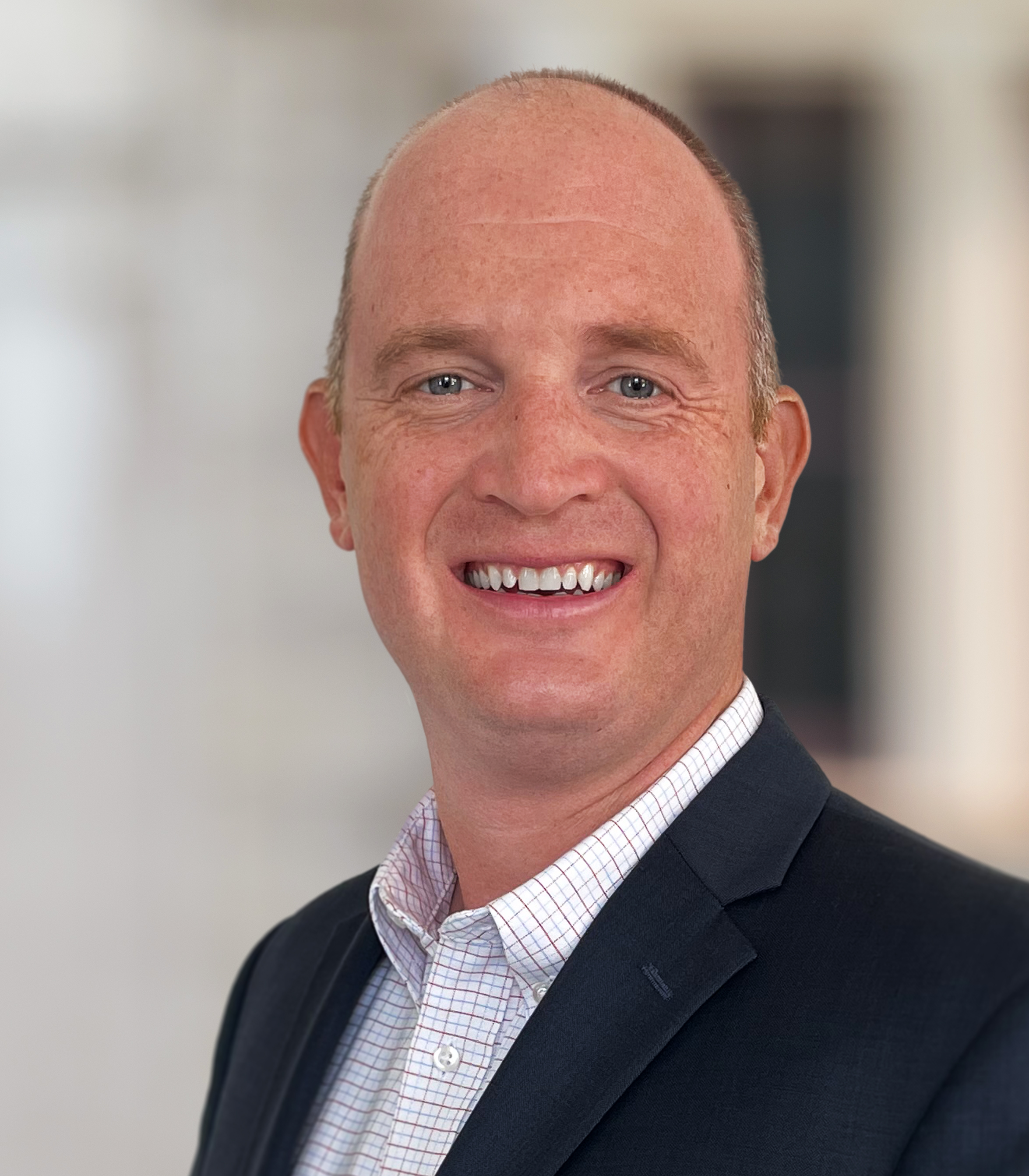
Daniel Froemel, Ed.D.
Senior Technical Assistance Advisor, Longevity Consulting
Dr. Daniel Froemel is the Senior Technical Assistance Advisor for Longevity Consulting on the NDTAC program. He has spent the majority of his career serving and leading in the N&D community. Prior to joining the NDTAC team, Daniel served as the Senior Director of Non- Traditional and Non-Public Programs with the Tennessee Department of Education. In this role he served as the Title-D state point of contact, the foster care point of contact, the executive secretary for alternative education, and led work in ensuring all students in juvenile detention centers receive an appropriate education. He has also worked at the local level, spending almost a decade as a principal and then executive director of a psychiatric residential treatment facility for children and adolescents. Additionally, he has served in various administrative levels at the building and district level for special education in public school districts in TN and SC. Daniel lives outside of Charleston, SC with his wife, two kids, and dog.
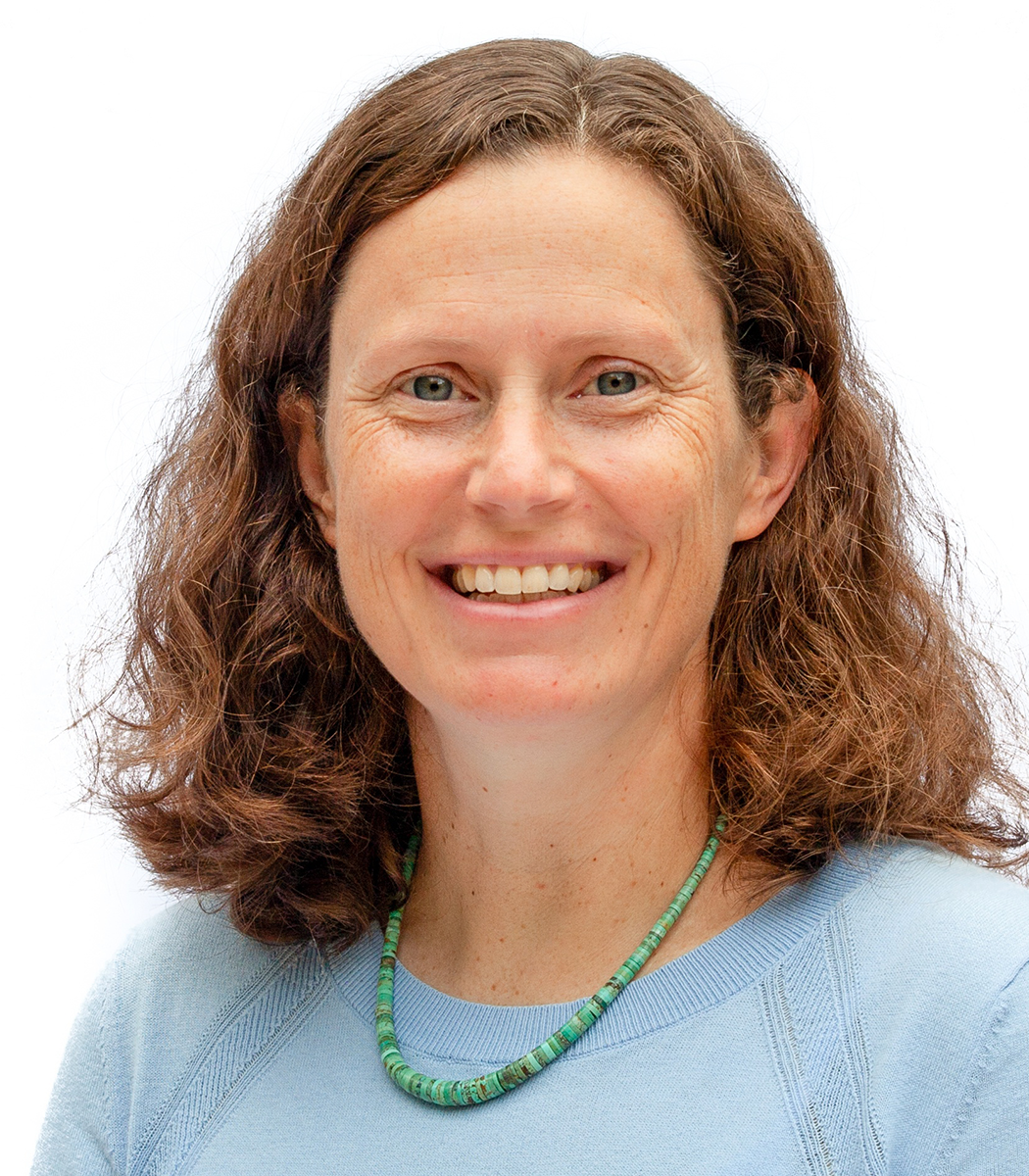
Annalee Good, Ph.D.
Senior Researcher and Evaluator, WEC
Dr. Annalee Good is an educational researcher and evaluator with the Wisconsin Center for Education Research at the University of Wisconsin-Madison, where she directs the WCER Clinical Program and co-directs the Wisconsin Evaluation Collaborative. She supports youth-serving organizations through research-practice partnerships and culturally responsive evaluation in areas such as digital tools, engaging youth voice in research and evaluation, academic tutoring, personalized learning, community-school partnerships, and ensuring equitable access and outcomes in advanced learning opportunities. Annalee also is the co-lead of the Wisconsin chapter of Scholars Strategy Network. She was an 8th grade social studies teacher before earning her master’s and doctoral degrees in Educational Policy Studies from the University of Wisconsin-Madison.
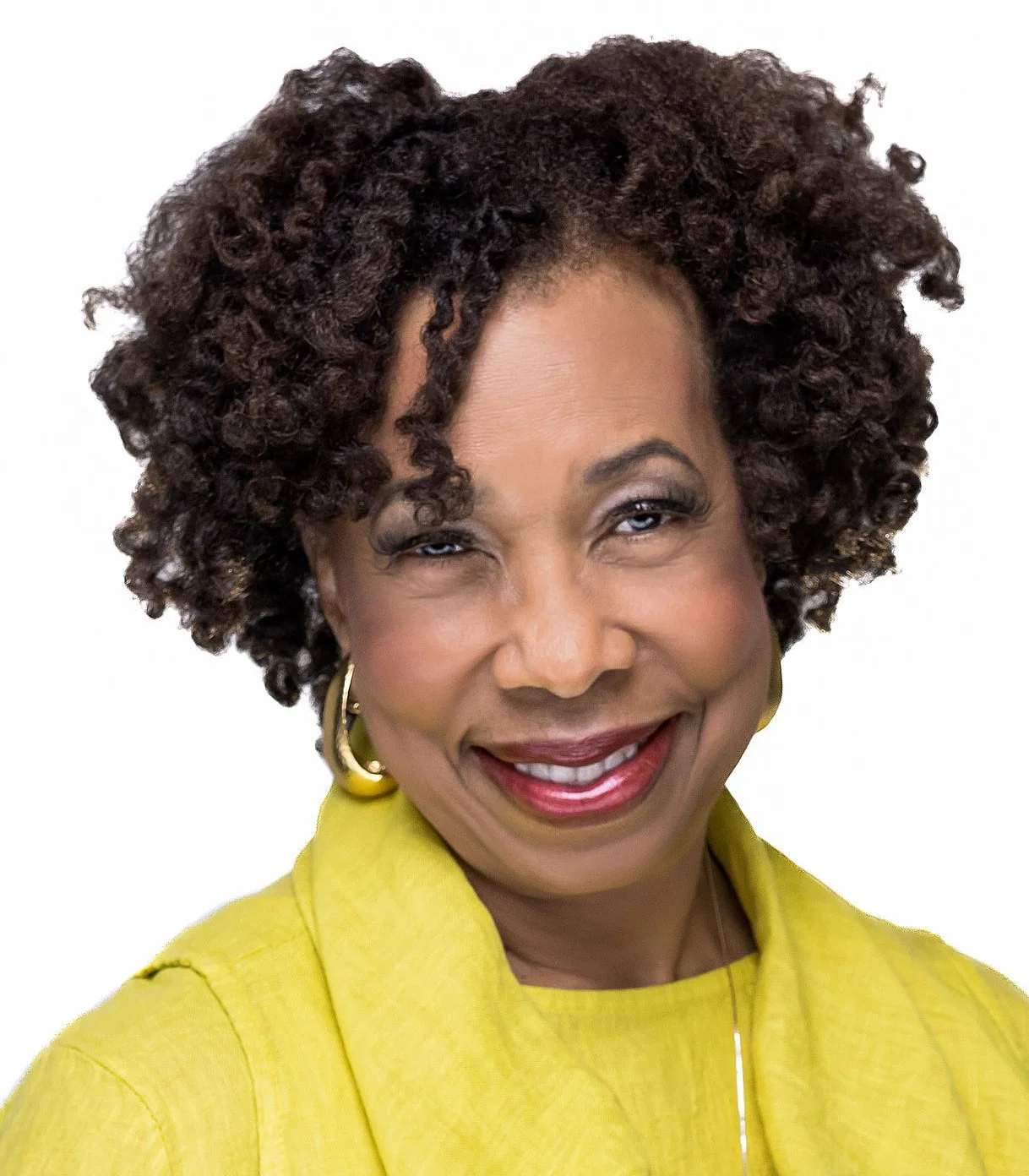
Donna Hart-Tervalon, Ph.D.
Education Consultant and T3 Research Advisory Board Co-Chair, DPI
Dr. Donna Hart-Tervalon served as a consultant on the special education team with the Wisconsin Department of Public Instruction from 2001 - 2011. She also served as an Assistant Director of Special Education during her tenure. She retired in 2011 but continues to work (part-time, post retirement) for WDPI’s Division of Learning Support as an Educational Consultant to support work focusing on racial equity and addressing issues of disproportionality in special education. She has more than fifty years of combined experience in the field of education/special education. Dr. Hart- Tervalon has taught undergraduate and graduate level courses and provided professional development to educators on issues of racial equity, diversity, cultural awareness, culturally responsive practices and multiculturalism. She is also a published author.
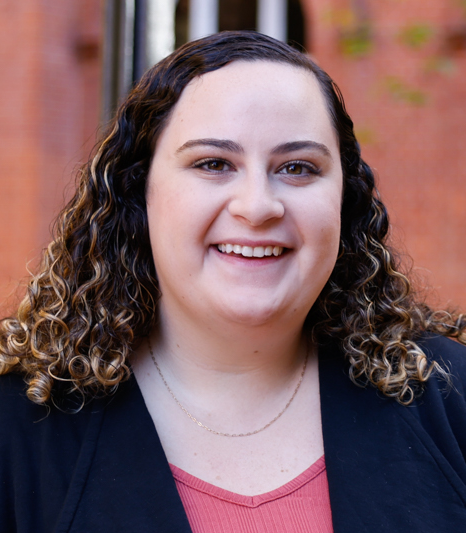
Hyla Jacobson
Policy Analyst, The Center of Innovation -The Council of State Governments
Hyla Jacobson is a Policy Analyst at the Council of State Governments, where she supports the Center for Advancing Policy on Employment for Youth (CAPE-Youth). Her work centers on improving employment outcomes for youth and young adults with disabilities, with a particular focus on those who are justice-involved. Hyla brings a strong background in criminal justice and public policy. Prior to her current role, she worked at the Council of State Governments Justice Center, where she supported technical assistance efforts related to reentry program implementation and policy reform. She also worked at the Police Executive Research Forum, conducting research and providing technical assistance to law enforcement agencies on critical issues in policing. Hyla holds a BA in Sociology from Dickinson College and an MPP from Georgetown University’s McCourt School of Public Policy.
Shahanna McKinney-Baldon
Evaluation Implementation Specialist, WEC
Shahanna McKinney-Baldon is an Evaluator and Clinical Program Mentor at Wisconsin Center for Education Research at the University of Wisconsin-Madison. She has held leadership roles with public education and Jewish community organizations.
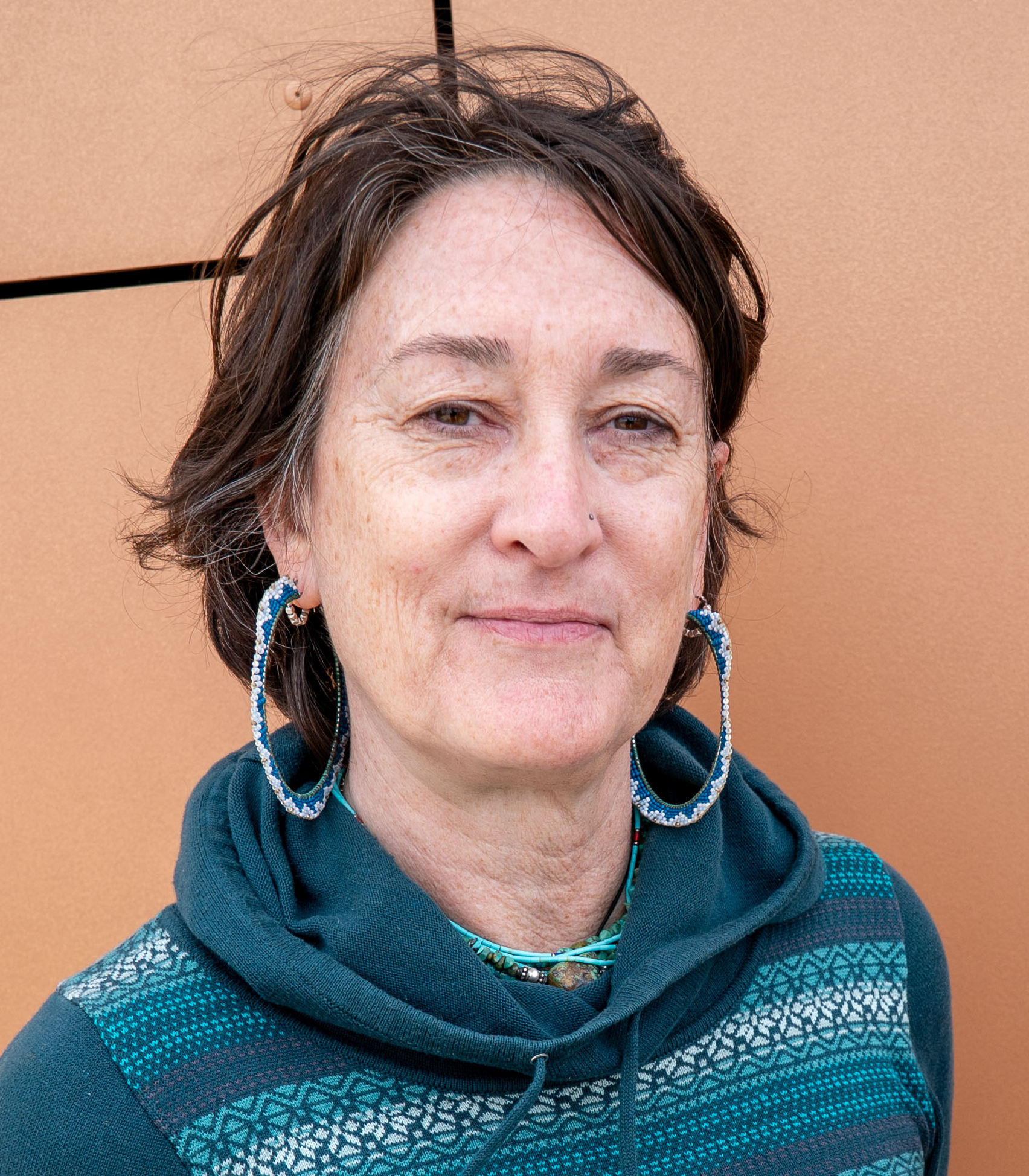
Courtney Reed Jenkins, JD, CPM
T3 Project Director, DPI
Dr. Marian Wright-Edelman said, “Service is the rent we pay for being.” Courtney has “paid her rent” through two decades of work in the nonprofit and government sectors – always with a clear focus on eliminating institutional barriers to success for underserved youth. She started her career in education as a paraprofessional in a segregated school for students with disabilities, which literally paid for – and informed the focus of – her legal training. Since then, she has conducted legal investigations under federal and state civil rights laws for the State of Wisconsin; managed systems-change state initiatives focused on gender and racial equity in Colorado, Idaho, Iowa and Wisconsin; and served on the senior management team of a national civil rights organization. Courtney is the daughter, niece, parent, and sister to people with disabilities and is a parent to a justice-involved youth. Courtney focuses on justice in education in honor of her mother, who grew up white in the segregated south, and her daughters, to whom she wants to leave a fairer world.
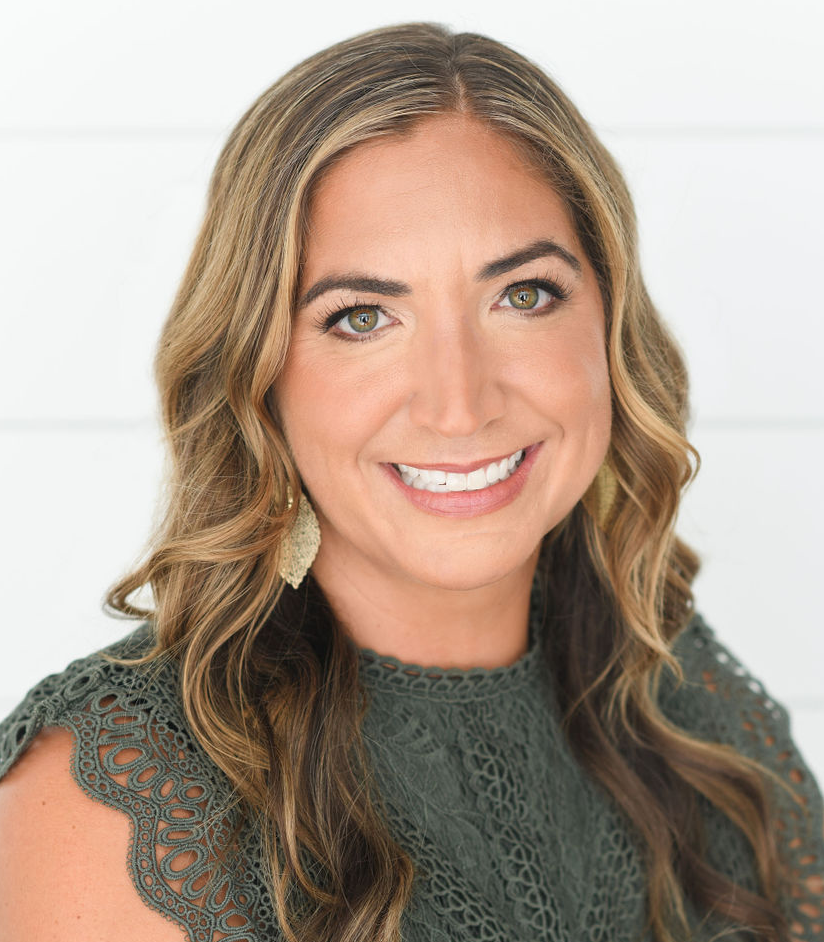
Kathryn Sabella, Ph.D.
Assistant Professor; Deputy Director, Implementation Science and Practice Advances Research Center (iSPARC); Director, Transitions to Adulthood Center for Research; Department of Psychiatry and Behavioral Sciences, UMass Chan Medical School
Dr. Kathryn Sabella is an Assistant Professor and Director of the Transitions to Adulthood Center for Research, at the Implementation Science and Practice Advances Research Center (iSPARC), within the Department of Psychiatry at UMass Chan Medical School (United States). Dr. Sabella's research aims to a) create new knowledge and understanding about the needs and experiences of young adults with serious mental health conditions, and b) apply that knowledge to the development, testing, and implementation of age-appropriate and culturally appealing evidence-based practices that can improve the lives of these young adults. She is Co-PI of the Community Inclusion and Reflective Collaboration Center. Dr. Sabella uniquely employs an understanding of the social causes and consequences of mental health conditions in young adults and partners with young adults from diverse perspectives in all her work.
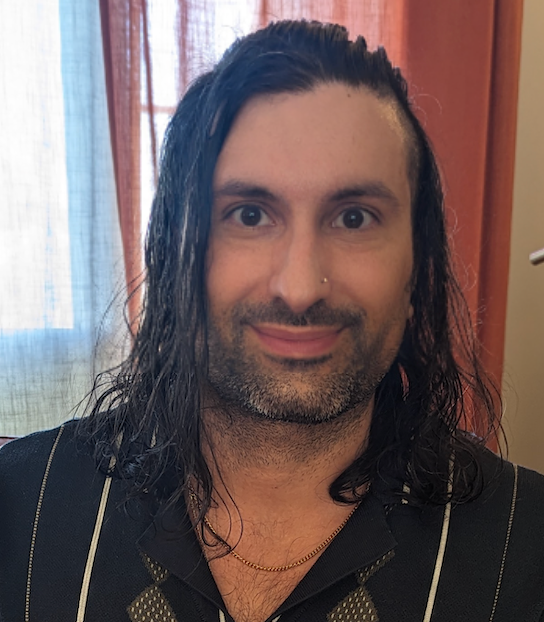
Matt Saleh, J.D., Ph.D.
Senior Associate Director, Cornell University, Criminal Justice and Employment Initiative
Dr. Matt Saleh is the Senior Associate Director of Cornell University's Criminal Justice and Employment Initiative (CJEI). He also holds a Lecturer appointment at Cornell, where he teaches courses including Prisons (GOVT 3141) and Disability Law (ILRGL 4033). Matt's work and research focuses on barriers to employment stemming from criminal convictions, as well as specific issues involving the overlap of disability and criminal justice system involvement. He has been the Principal Investigator (PI) on a number of grants focused on these topics, including most recently the U.S. Department of Health and Human Services-funded "Improving Vocational Rehabilitation Outcomes for Justice- and/or Foster-Involved Youth with Disabilities." He is also PI of a program called “Pro Se: Empowering Justice-Involved Youth through Speech, Debate, and Self-Advocacy Training,” where Cornell undergraduates serve as peer mentors and speech and debate coaches to youth involved in a diversion program in Utica, NY.
Tim Tansey, Ph.D.
Professor, University of Wisconsin-Madison
Dr. Tansey received his Ph.D. in Rehabilitation Psychology from the University of Wisconsin Madison. He is a professor in the Rehabilitation Counselor Education program at the University of Wisconsin-Madison. Dr. Tansey has almost 30 year's experience as a rehabilitation counselor, educator, or rehabilitation researcher. He has published over 130 peer-reviewed articles in the areas of applying evidence-based practices in vocational rehabilitation, evaluating novel technologies for vocational rehabilitation and rehabilitation counselor education, and self-determination. Dr. Tansey is the principal investigator on the Vocational Rehabilitation Technical Assistance Center for Quality Employment, a project sponsored by the U.S. Department of Education. He is currently the principal investigator, co-principal investigator, or co-investigator on several other federally-funded research grants from the U.S. Department of Education, U.S. Department of Labor, U.S. Department of Health and Human Services (Social Security Administration and the National Institute on Disability, Independent Living and Rehabilitation Research). These current projects seek to ascertain evidence- based practices in the vocational rehabilitation of youth with disabilities, identify employer practices in the recruitment, hiring, retention, and promotion of persons with disabilities, and provide
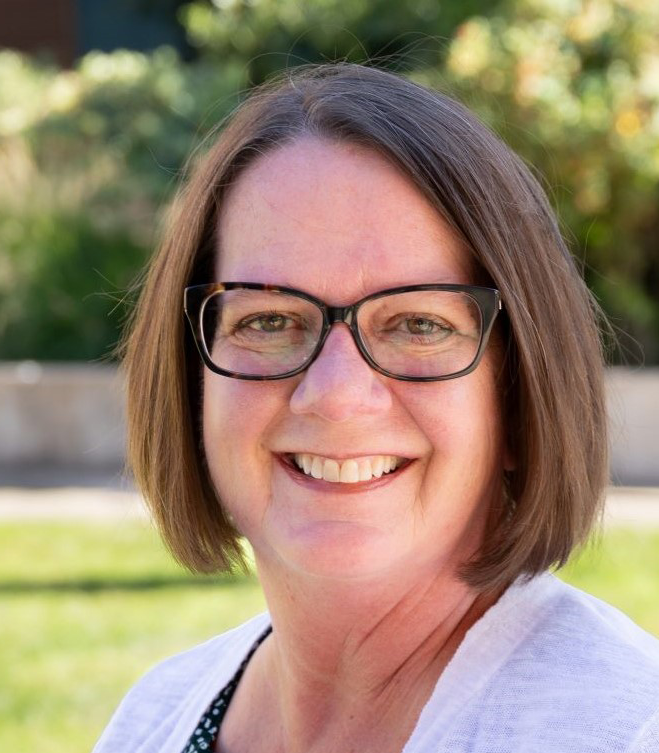
Deanne Unruh, Ph.D.
Research Professor and Associate Vice President of Research, University of Oregon; Co-Director, National Technical Assistance Center on Transition: The Collaborative
Dr. Deanne Unruh is currently the Co-Director of National Technical Assistance Center on Transition: The Collaborative. Her externally funded research focuses on high-risk adolescents (e.g., youth with ED, juvenile justice involvement). Dr. Unruh has received external research funding fro multiple entities including Office of Special Education Programs, Institute of Educational Sciences, and Office of Juvenile Justice and Delinquency Programs. In her role at the University of Oregon, she co-directs the Secondary Special Education and Transition (SSET) research unit. Her research expertise focuses on transition and re-entry practices for justice-involved adolescents with disabilities. A second focus is on students experiencing brain injury. Prior to coming to UO, Dr. Unruh was a teacher and administrator in alternative schools for marginalized youth in urban and under-resourced settings for more than 12 years.