

Project Summary
About T3 - Navigation
Project Summary
Transforming to Thrive (T3) is a five-year, statewide initiative that is redesigning how Wisconsin systems support young people impacted by the justice system as they return to their communities.
T3 brings together partners across education, workforce development, health, corrections, and community-based organizations to create a more coordinated and youth-centered approach to reintegration. By aligning systems around the needs and goals of young people, T3 seeks to improve access to education, employment, community supports, and opportunities for long-term success.
Grounded in implementation science and evidence-based practices, T3 strengthens collaboration across agencies while supporting innovative strategies that improve outcomes for youth. The initiative places a strong emphasis on creating pathways to meaningful employment, fostering community connection and belonging, and ensuring young people have the support they need to thrive.
In addition to systems alignment, T3 invests in storytelling and narrative change efforts that amplify the experiences, strengths, and aspirations of youth and families. These efforts help shape more responsive systems and contribute to statewide and national conversations about youth reintegration and opportunity.
Funded through a five-year cooperative agreement (2024–2029), T3 is helping build a more connected, and effective system of support for Wisconsin's young people.
Project Summary
Transforming to Thrive (T3) is a five-year, statewide initiative that is redesigning how Wisconsin systems support young people impacted by the justice system as they return to their communities.
T3 brings together partners across education, workforce development, health, corrections, and community-based organizations to create a more coordinated and youth-centered approach to reintegration. By aligning systems around the needs and goals of young people, T3 seeks to improve access to education, employment, community supports, and opportunities for long-term success.
Grounded in implementation science and evidence-based practices, T3 strengthens collaboration across agencies while supporting innovative strategies that improve outcomes for youth. The initiative places a strong emphasis on creating pathways to meaningful employment, fostering community connection and belonging, and ensuring young people have the support they need to thrive.
In addition to systems alignment, T3 invests in storytelling and narrative change efforts that amplify the experiences, strengths, and aspirations of youth and families. These efforts help shape more responsive systems and contribute to statewide and national conversations about youth reintegration and opportunity.
Funded through a five-year cooperative agreement (2024–2029), T3 is helping build a more connected, and effective system of support for Wisconsin's young people.
Why T3 Matters
Wisconsin's systems have historically and largely operated independently, often requiring young people and families to navigate education, workforce, health, corrections, and community supports without a coordinated approach. When systems are not aligned around youth, opportunities for connection, continuity, and long-term success can be missed.
The result is a shared responsibility for outcomes that affect not only young people, but also families, communities, employers, and taxpayers across Wisconsin. Communities experience the impact through lower educational attainment, reduced workforce participation, increased reliance on public systems, and continued involvement with the justice system.
Current investments often focus on responding to challenges after they occur rather than creating coordinated pathways that support young people as they return to their communities. These approaches come at a significant public cost while producing outcomes that remain far below what Wisconsin's youth deserve.
T3 was created to change this reality. By aligning systems around young people and strengthening connections across agencies and community partners, T3 helps create pathways to employment, belonging, and long-term success. The initiative recognizes that improving outcomes for youth is a shared responsibility—and that thriving communities depend on young people having opportunities to thrive as well.

Outcomes Snapshot
The need for systems change is reflected in current outcomes for youth in Wisconsin correctional settings:
Graduation rate: 1.3% (compared to Wisconsin's statewide graduation rate of more than 80%)
0% proficiency in English Language Arts and Mathematics as measured by statewide summative assessments
Within three years of release, youth experience rearrest rates exceeding 60%, reconviction rates around 45%, and reincarceration rates between 40% and 60%
Youth with disabilities face particularly significant challenges in achieving educational and employment outcomes
These outcomes highlight the importance of coordinated, youth-centered systems that support successful transitions back to the community.

The Cost of Corrections
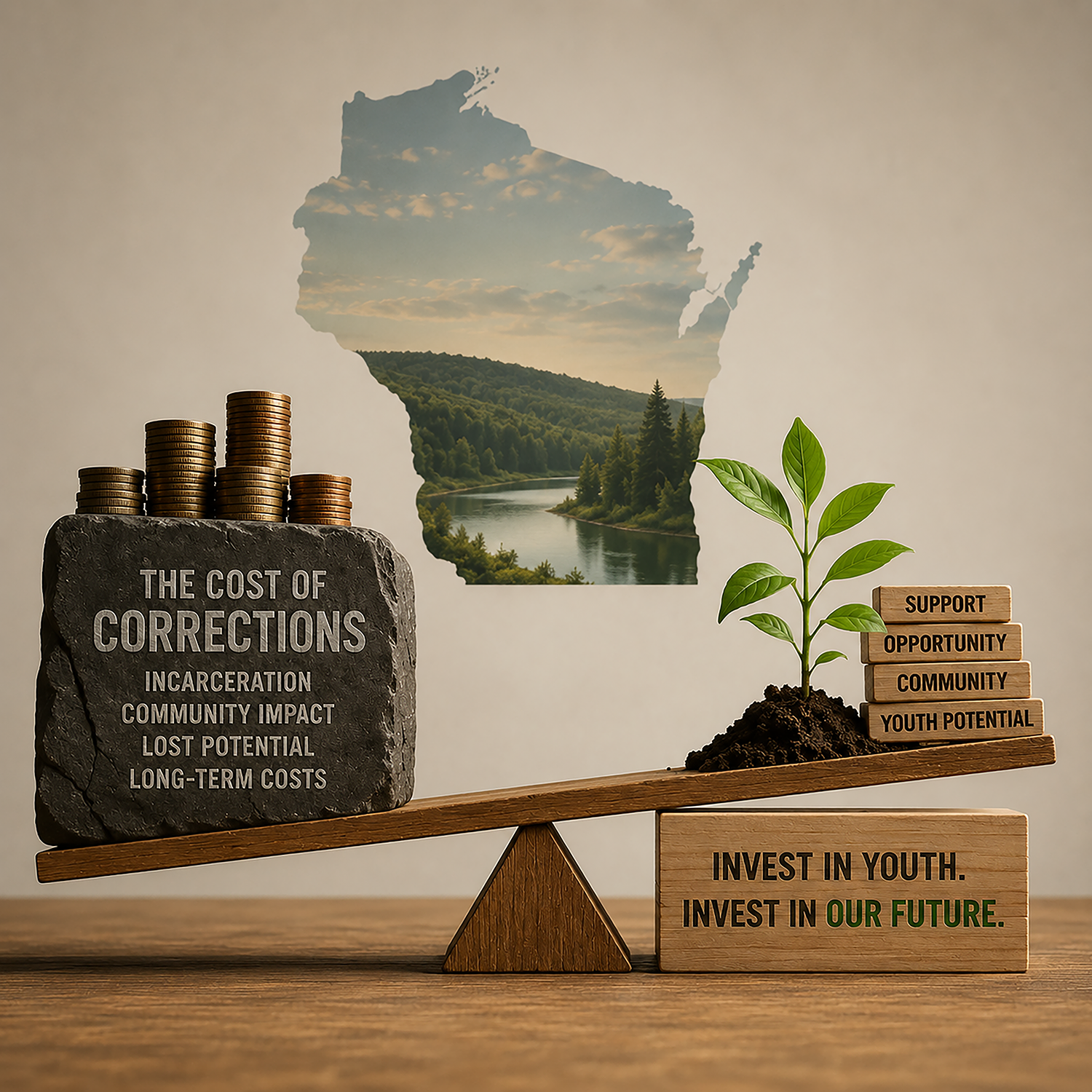
Wisconsin invests significant public resources in youth incarceration. As of June 2025, the annual cost of incarcerating a single youth was approximately $463,000, with proposed increases that could raise the annual cost to more than $840,000 per youth.
By comparison, Wisconsin's average K-12 spending was approximately $16,345 per student during the 2022–2023 school year.
Despite these investments, many young people continue to experience poor educational, employment, and justice-system outcomes. The impact extends beyond youth and families, affecting communities, employers, and taxpayers across the state.
T3 helps Wisconsin maximize public investment by creating a more coordinated approach that connects education, employment, corrections, health, and community supports. Rather than treating youth needs as separate challenges, T3 aligns systems around the whole person—supporting successful transitions, strengthening community connections, and creating pathways to belonging and long-term success.
How T3 Works
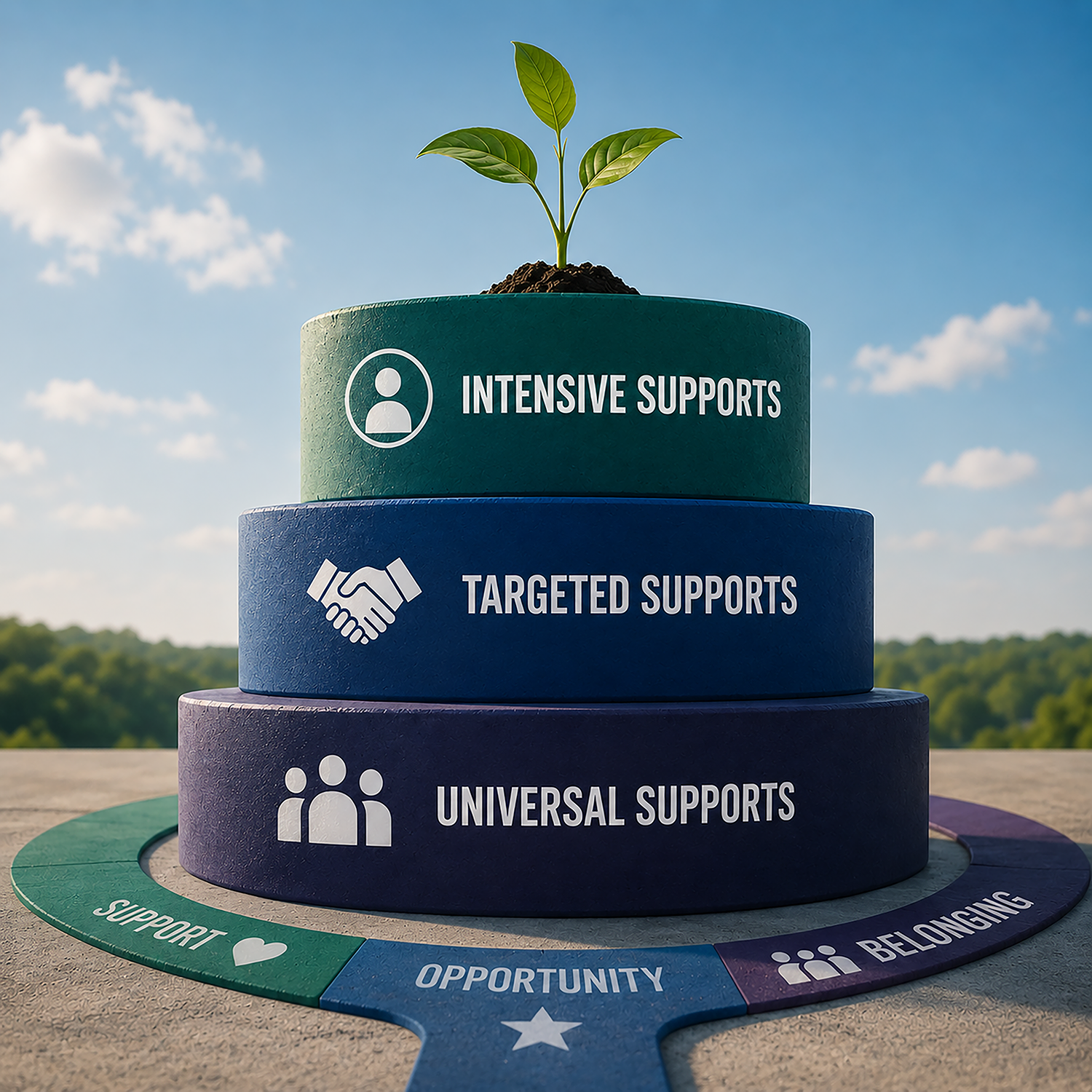
When systems work together, young people have greater opportunities to learn, work, belong, and thrive. T3 advances this vision through three levels of support designed to meet youth where they are and connect them to the resources, relationships, and opportunities they need for long-term success.
High-Touch Navigation: Intensive Supports
At the center of T3 are Entry to Exit (E²) Navigators—trusted adults who walk alongside youth and families as they navigate complex systems and transition back to their communities. Through relationship-centered support, E² Navigators help young people connect to education, employment, housing, transportation, and other essential resources while fostering healing, belonging, and long-term success.Early Learning Supports: Targeted Supports
T3 strengthens educational success through early identification and educational supports that help youth stay connected to learning and future opportunities. By improving coordination across systems and equipping educators with effective tools and training, T3 helps ensure young people receive the support they need to achieve their goals.Tools, Resources & Storytelling: Universal Supports
T3 expands access to statewide resources, digital tools, and storytelling initiatives that support youth, families, and communities. These efforts increase awareness, strengthen connections to services, amplify youth voices, and help communities better understand the opportunities and challenges young people face as they return to their communities.
Entry to Exit (E²) Navigators
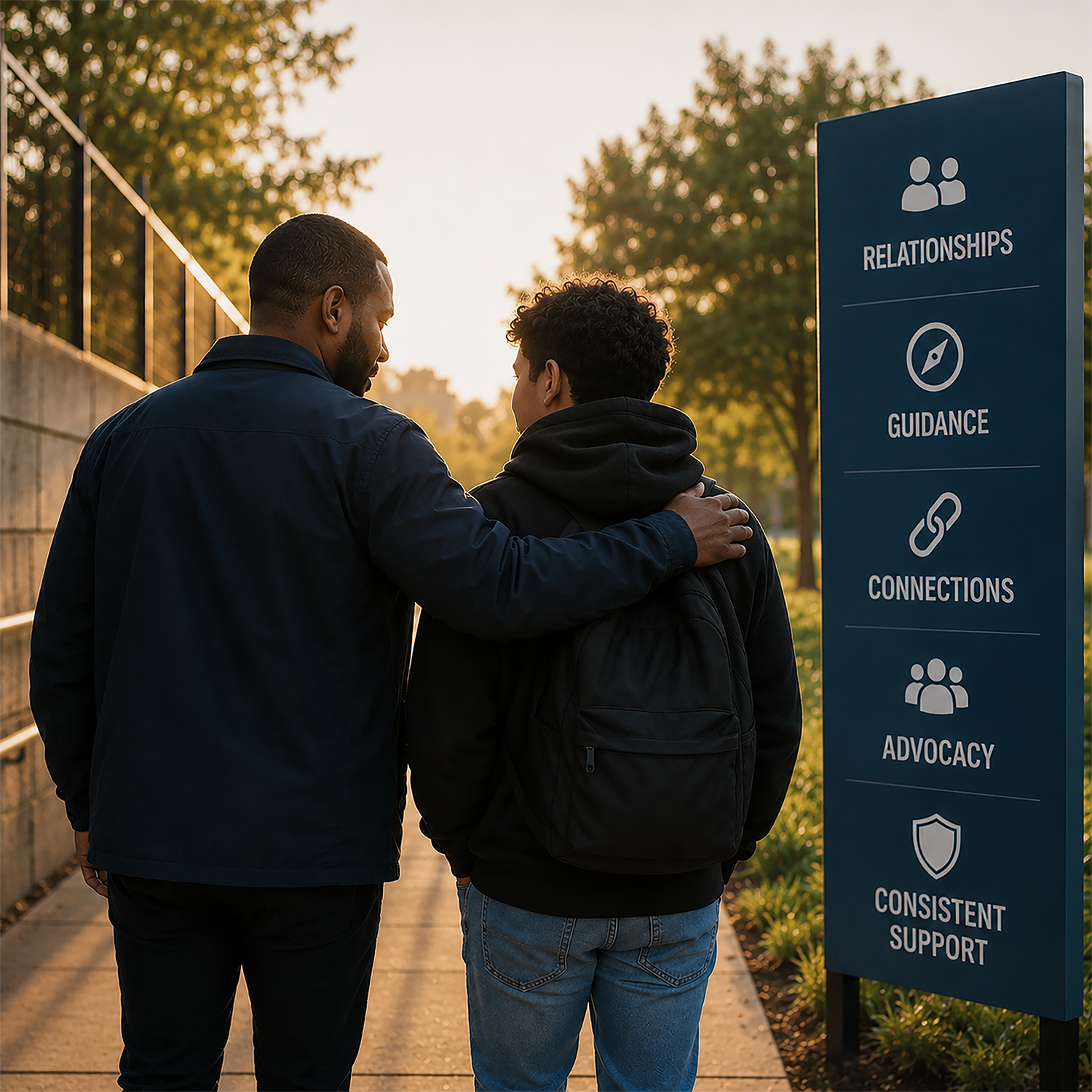
Trusted adults. Side-by-side support.
E² Navigators are community leaders who build meaningful relationships with youth and families during incarceration and continue providing support as young people return to their communities. They help make complex systems understandable, connect youth to resources and opportunities, advocate when support is needed, and remain a consistent presence throughout the transition process.
E² Navigators don't replace existing services. They help youth and families successfully access and navigate them.

What Makes T3 Different?
T3 aligns systems around youth rather than asking youth to navigate disconnected systems.
T3 begins planning for community transition at entry, not release.
T3 combines individual support, educational intervention, and statewide resources.
T3 invests in both systems change and youth outcomes.
T3 centers belonging as a pathway to thriving communities.

Who T3 Serves
Youth ages 10–24 impacted by the justice system
Youth transitioning from state or county secure facilities
Youth participating in diversion or community supervision
Families and caregivers
Community organizations and system partners